The UN Joint Programme on Local Governance (JPLG) in Somaliland works to strengthen local governments and improve equitable service delivery by promoting participatory planning, gender inclusion, stronger local finance systems, and community engagement. The programme places particular emphasis on ensuring that marginalized and minority groups are actively involved in decision-making processes through civic education, community dialogues, and training that enables their needs and priorities to be reflected in District Development Frameworks and local services. Key initiatives include empowering communities to participate in governance, creating gender-responsive local institutions, and delivering targeted training for Community Representatives (CORPs) in facilitation, mediation, and advocacy so they can effectively represent vulnerable groups. JPLG also focuses on equitable access to essential services—such as water, education, and health—especially in underserved areas, while mechanisms like Land Dispute Tribunals in Hargeisa bring conflict resolution closer to communities and strengthen tenure security for vulnerable populations.
The programme’s inclusive governance approach directly supports minority groups by empowering marginalized voices and ensuring their concerns are integrated into planning and budgeting processes. Through increased representation and strengthened accountability systems, JPLG helps ensure that local governments respond to the needs of all citizens, including historically excluded groups, in line with good governance principles highlighted by the UN and development partners.
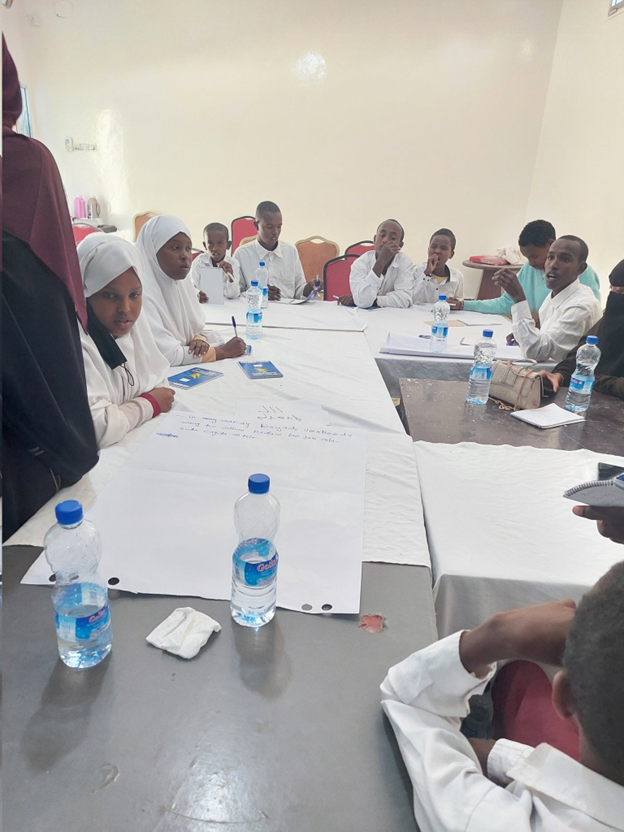
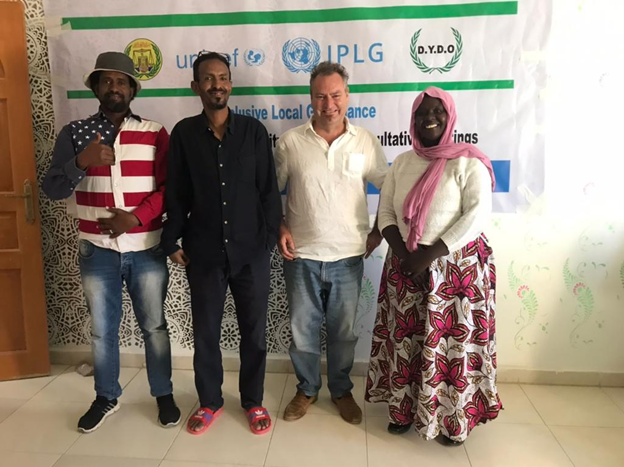
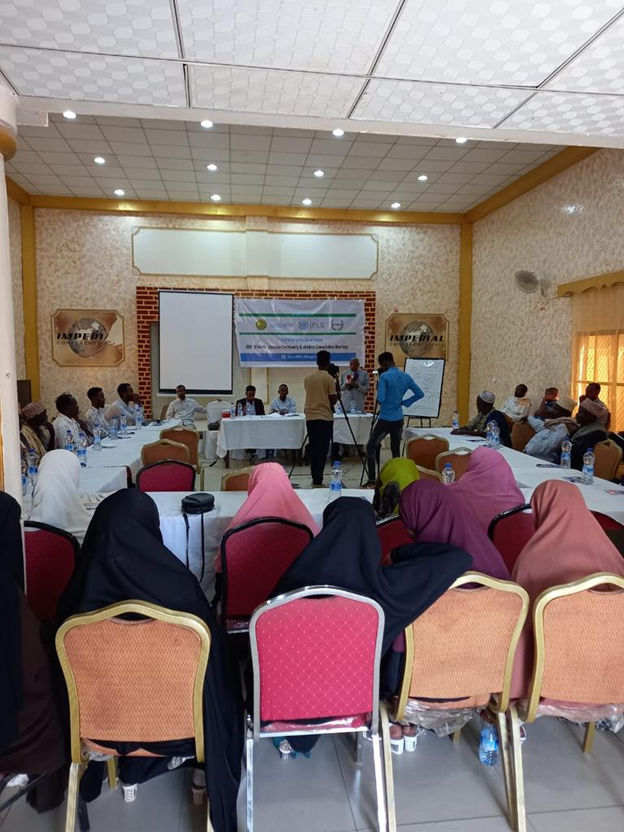
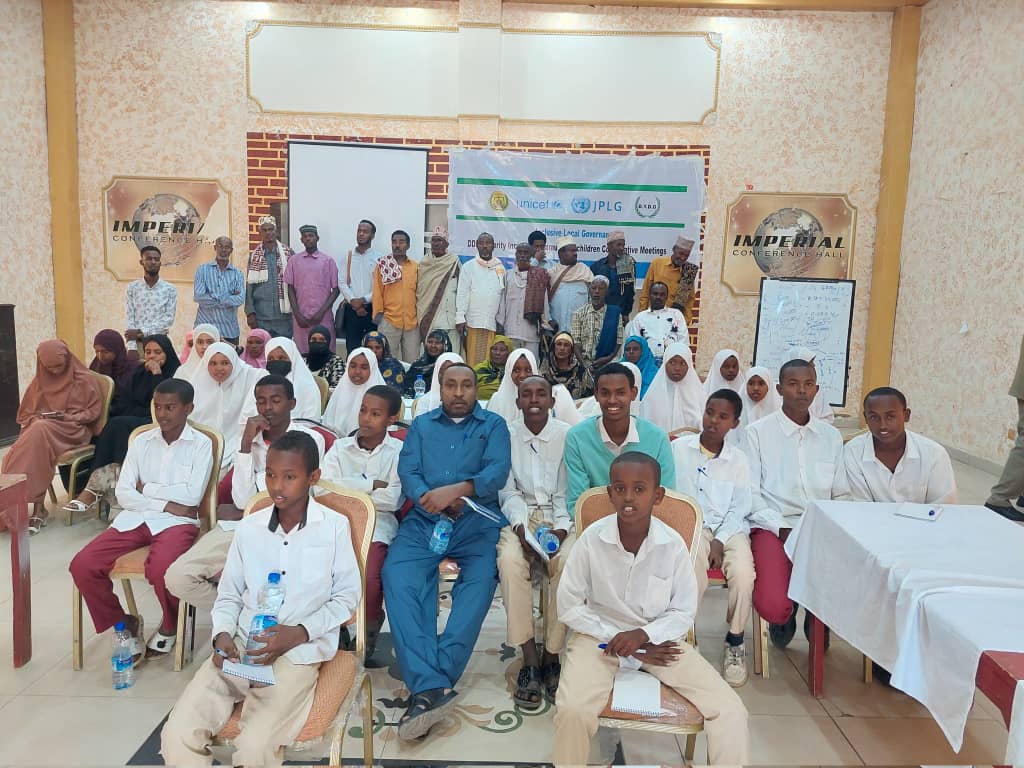
In support of this agenda, Daami Youth Development Organization (DYDO) under JPLG III organized extensive consultations with minority communities across seven districts in Somaliland. These consultations engaged women, youth, elders, and other vulnerable groups around two key topics: how local government grants should be utilized, and the potential environmental and social risks associated with planned activities, along with mitigation measures. The objective of these consultations is to ensure meaningful and inclusive participation so that the perspectives of disadvantaged groups shape project design, reduce social risks, and enhance community ownership and acceptance of local development initiatives.